What Happens to Pets in a Divorce in Scotland? (2026 Guide)

Taz
Mar 17, 2026
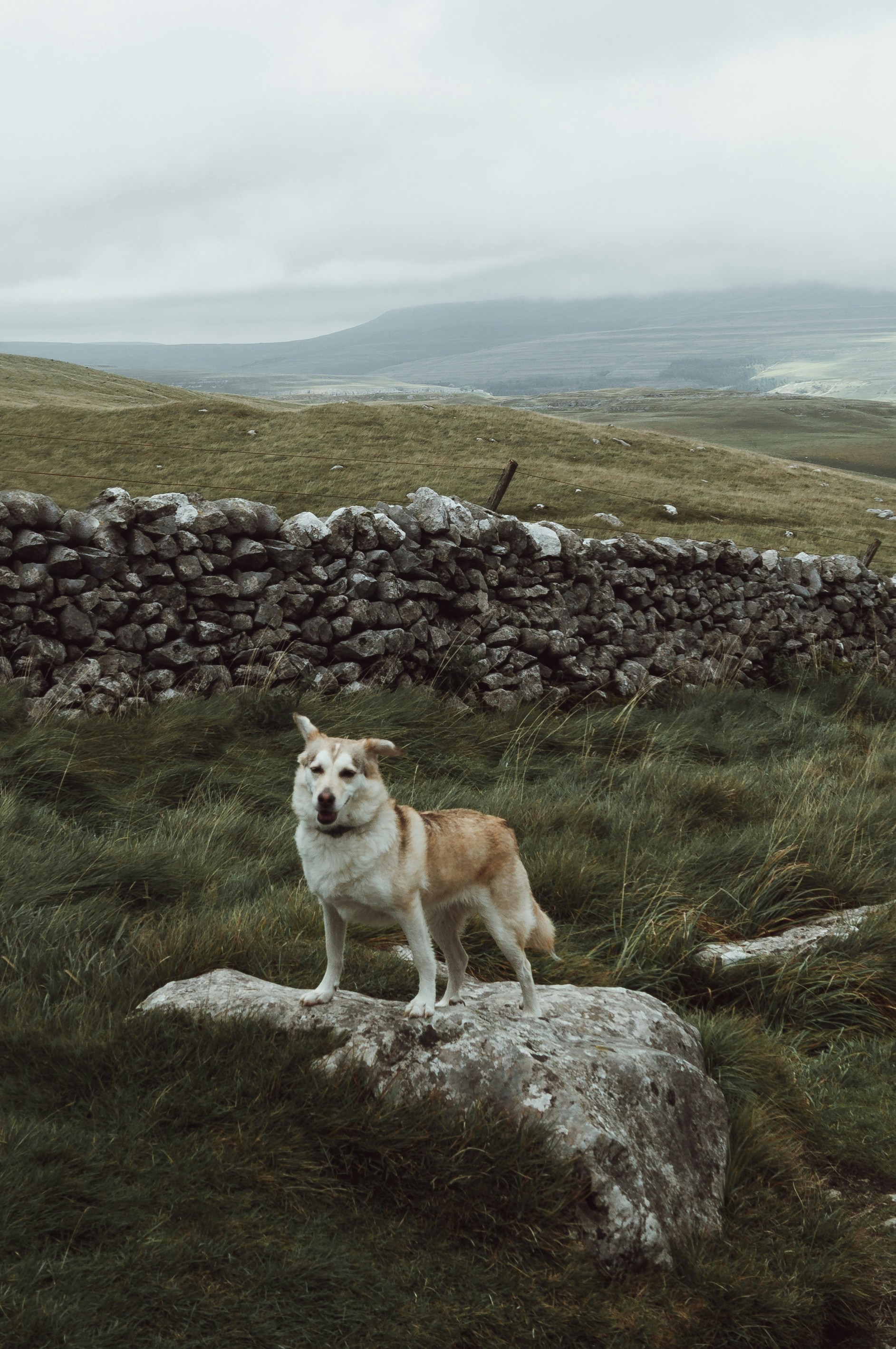
Pets are deeply loved members of the family. But when a relationship ends, the question of what happens to them is one that Scottish law handles differently from the rest of the UK. If you are based in Scotland and going through a divorce or separation, this guide explains where things stand and what you can do to reach a fair arrangement.
The legal starting point in Scotland
Like the rest of the UK, Scotland does not have a formal legal concept of pet custody. Courts cannot make a shared care order for an animal the way they can for a child. A pet remains, in legal terms, property.
However, the way that property is handled in a Scottish divorce is governed by different legislation from England and Wales. The Family Law (Scotland) Act 1985 gives Scottish courts a framework for dividing matrimonial property fairly on divorce, and pets fall within that framework.
The key difference is that Scottish courts have slightly more flexibility in how they approach the division of assets than courts in England and Wales. A sheriff considering a disputed pet is not limited purely to who paid for the animal. The broader circumstances of ownership, care and the welfare of the animal can all be taken into account.
What counts as matrimonial property in Scotland
In Scotland, matrimonial property is defined as assets acquired by either spouse during the marriage, other than by gift or inheritance. This means that a pet acquired during the marriage is matrimonial property and subject to fair division on divorce.
A pet acquired before marriage is more complicated. It may be considered the separate property of whoever owned it before the relationship began, though this is not absolute and courts can consider the circumstances.
For couples who were not married, the position in Scotland is different again. The Family Law (Scotland) Act 2006 gave cohabiting couples some financial rights on separation that do not exist in England and Wales. A Scottish court can make financial provision orders between former cohabitants in certain circumstances. This does not create pet custody rights directly, but it does mean the legal context for disputes between unmarried couples is slightly more developed north of the border.
How Scottish courts approach pet disputes in practice
In practice, most pet disputes in Scotland are resolved before they reach a court. The cost and stress of litigation over an animal, however loved, is rarely justified by the outcome. Sheriffs are likely to take a pragmatic approach if a dispute does reach them, looking at the same factors that courts across the UK increasingly consider:
Who registered the microchip is a meaningful starting point. Scottish courts, like English ones, treat microchip registration as a relevant indicator of primary keepership even though it does not confer legal title.
Who has been the primary carer day to day. Vet records, grooming appointments, prescription histories and a documented caregiver log all contribute to establishing who has been practically responsible for the animal.
The welfare of the animal. Scottish sheriffs have discretion to consider what outcome would be better for the pet, including the stability of the home, the presence of children, and the established routine of the animal.
Whether there is a written agreement already in place. A Pet Parenting Agreement or petnup signed by both parties before or during the separation carries evidential weight in Scotland just as it does elsewhere in the UK.
The Animal Welfare (Scotland) Act
Scotland has its own animal welfare legislation. The Animal Health and Welfare (Scotland) Act 2006 places a duty of care on anyone responsible for an animal. While this legislation is not primarily about ownership disputes, it does reinforce the principle that an animal's welfare is a legal consideration, not just a sentimental one.
This means that if a disputed pet is in a situation where its welfare is genuinely at risk, Scottish authorities have powers to act. In a separation context, if one party is using control of the pet as leverage in a dispute rather than acting in the animal's best interests, that is a relevant consideration.
What about pets and the Scottish courts' discretion
One area where Scotland's legal framework is genuinely more developed than England and Wales is the principle of fair sharing. Under the Family Law (Scotland) Act 1985, the starting point for dividing matrimonial property is equal sharing, but a court can depart from equal sharing where special circumstances apply.
In the context of a pet, special circumstances might include the fact that one party has been the clear primary carer throughout the relationship, that the pet has a particularly strong bond with one party or their children, or that one party's living situation is significantly more suitable for the animal.
This does not mean Scottish courts routinely make nuanced pet custody decisions. In reality, most disputes settle before reaching a sheriff. But the legal framework in Scotland is arguably better equipped to handle a thoughtful approach to pet welfare than the purely property-based framework in England and Wales.
Practical steps for separating couples in Scotland
Whether your dispute is likely to reach a court or not, the practical steps are the same as for couples anywhere in the UK.
Check the microchip registration and ensure it reflects the reality of primary keepership. If both parties have contributed equally to the pet's care, discuss whether to update the registration or note both names on the record.
Gather your caregiving evidence. Vet records, prescription histories, grooming appointments and any other documentation showing your practical involvement in the animal's care.
Start a daily care log if you have not already. Pawsettle's caregiver log creates a timestamped record of every walk, feed, vet visit and medication. In a Scottish court context, a contemporaneous log carries more weight than a reconstruction after the fact.
Consider mediation before litigation. Family mediation is available in Scotland through organisations including Relationships Scotland, which offers mediation services specifically for separating couples. Mediation is faster, cheaper and less adversarial than court proceedings and produces better outcomes in the vast majority of cases.
Put any agreement in writing. Whether you reach an arrangement between yourselves or through mediation, a signed, dated Pet Parenting Agreement is a formal record of what you both decided. Scottish courts can take such agreements into account.
Key differences between Scotland and England and Wales
The legal framework in Scotland gives courts slightly more flexibility in how they approach pet disputes. The Family Law (Scotland) Act 1985 provides a fair sharing framework for matrimonial property that is more developed than the purely property-based approach in England and Wales. Cohabiting couples in Scotland have more legal protection than those in England and Wales under the 2006 Act. Animal welfare legislation in Scotland is distinct from the legislation in England and Wales, though the principles are broadly similar.
In practice, the difference for most separating couples is less significant than it might appear. The most important steps, documenting your caregiving, reaching a written agreement, and considering mediation before court, are the same wherever you are in the UK.
The bottom line
Scottish law handles pet disputes within a slightly more flexible framework than England and Wales, but the fundamentals are the same. Courts treat pets as property, written agreements carry weight, and caregiving history increasingly matters.
The best outcome for you and your pet is almost always one reached between the two of you, documented clearly and signed while both parties are still communicating reasonably. The legal framework exists as a backstop, not a first resort.
Pawsettle helps separating couples create a Pet Parenting Agreement and caregiver log. It is not a legal service. For advice specific to Scottish family law, please consult a solicitor qualified in Scots law.