How to Write a Petnup in the UK: A Step-by-Step Guide (2026)

Taz
Mar 17, 2027
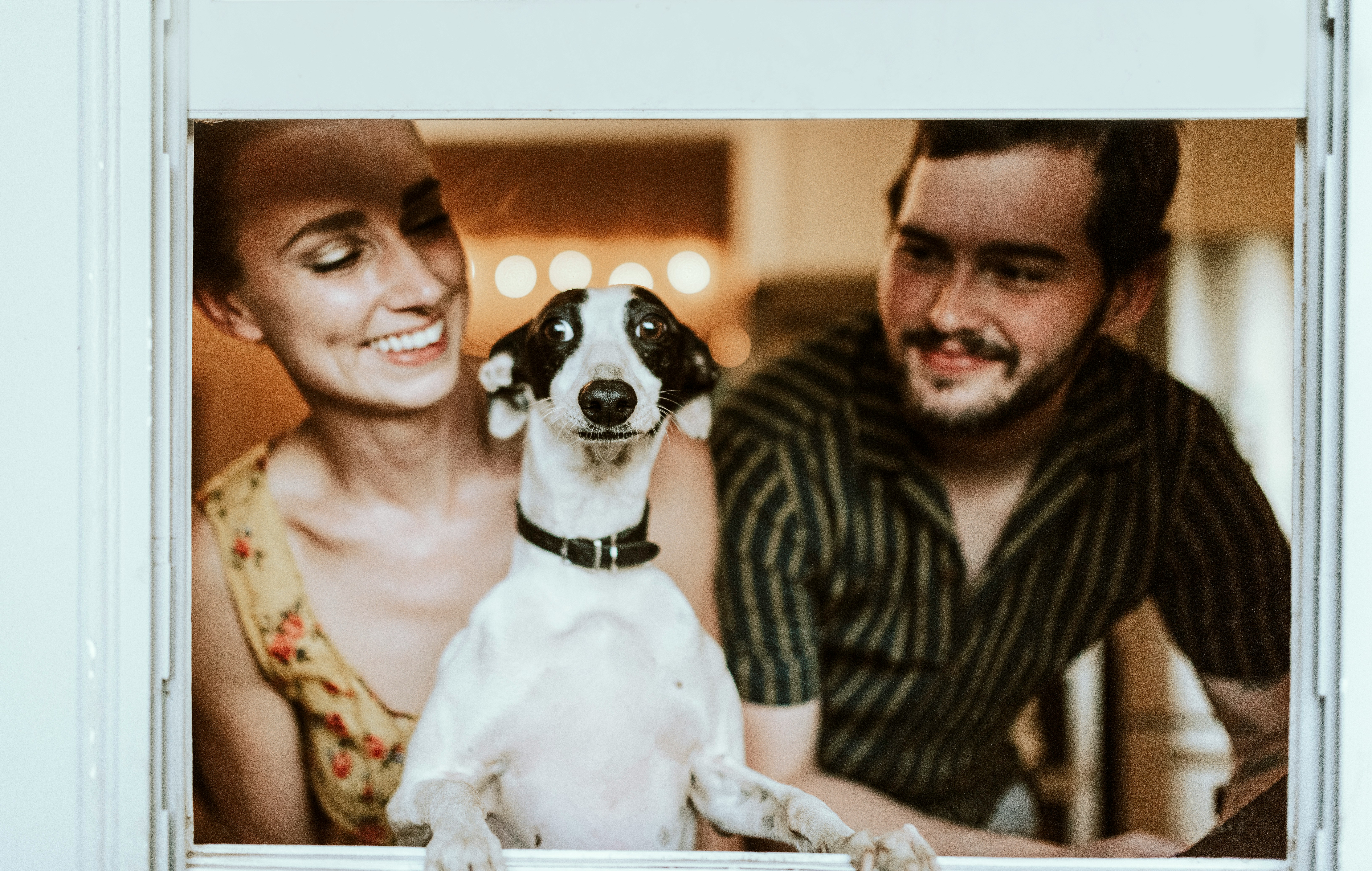
If you share a pet with a partner, a petnup is one of the most practical things you can put in place, whether your relationship is rock solid or showing signs of strain. This guide explains what a petnup is, whether it holds any legal weight in the UK, and exactly what to include in one.
What is a petnup?
A petnup is a written agreement between two people about what will happen to their pet if they separate. The name is a portmanteau of "pet" and "prenup" and the concept follows similar logic: agree the terms while things are calm, so that if circumstances change, there is already a fair framework in place.
Petnups are used by both married couples and those who are unmarried. They can be written before a relationship ends as a precaution, or during a separation as a way of reaching an agreement without going to court.
Is a petnup legally binding in the UK?
No, not in the way a court order is legally binding. A petnup cannot be enforced by a judge in the same way a financial settlement can be.
However, this does not mean it is worthless. A petnup that has been:
Written clearly and in plain English
Signed voluntarily by both parties
Dated and witnessed
Kept on record by both people
...can carry real evidential weight. If a dispute later reaches a court, a judge can take a petnup into account as a formal record of what both parties intended. The more carefully it is written, the more seriously it is likely to be treated.
Think of it less as a legal document and more as a clear, signed record of a fair agreement made in good faith. That is genuinely useful.
Who should write a petnup?
You do not need to be a lawyer to write a petnup, and you do not need a lawyer to help you do it. A petnup is not a legal service and does not require legal qualifications to produce.
What it does require is that both parties engage honestly, that the document reflects a genuine agreement rather than one person's preferences imposed on the other, and that it is written with the pet's welfare as its guiding principle rather than as a vehicle for one side to "win."
Tools like Pawsettle guide you through the process with a structured questionnaire and generate a clear, dated document you can both sign. Alternatively, you can write one yourself using the structure below.
What to include in a petnup
A well-written petnup covers seven areas.
1. Details of the pet
Start with the basics: the pet's name, species, breed, date of birth, microchip number, and any registration or insurance details. This establishes clearly which animal the agreement relates to and removes any ambiguity.
2. Primary residence
Where will the pet live as their main home? This does not have to mean one person has the pet permanently. Many couples agree on a primary home for the pet while building in regular time with the other person. The key is that there is a clear default, so that if disagreement arises later, there is already an answer in writing.
3. Visiting and time-sharing arrangements
If the pet will spend time with both people, set out the schedule in practical terms. Which days, which weeks, how handovers will work, and what happens on holidays or special occasions. The more specific this section is, the less room there is for dispute later.
Be realistic. An arrangement that works for both people's lives is far more likely to be followed than one that looks tidy on paper but is impractical day to day.
4. Veterinary care and health decisions
Agree on who is responsible for booking routine appointments, who pays for them, and how costs are shared. More importantly, agree on how significant health decisions will be made. If the pet needs an expensive procedure or faces an end-of-life decision, who has the final say? How will you consult each other?
This section matters more than most people realise. Disagreements about veterinary care are one of the most common flashpoints in pet disputes.
5. Financial responsibilities
Cover the ongoing costs of caring for the pet: food, insurance, routine vet care, grooming, training and any specialist needs. Decide whether costs follow the pet (whoever has the pet that week pays for that week) or are split regardless of where the pet is at any given time.
If one person earns significantly more than the other, an equal split may not be fair in practice. The goal is an arrangement both people can sustain, not a mathematically symmetrical one.
6. What happens if circumstances change
Life changes. One person might move to a different city. Someone might develop a health condition. A new partner might be allergic to the pet. A job change might affect how much time someone has.
A good petnup acknowledges that the arrangement may need to change and sets out a simple process for how those changes will be agreed. This does not need to be elaborate. A sentence along the lines of "if either party's circumstances change significantly, both parties agree to discuss the arrangement and update this document accordingly" is enough to establish good faith.
7. What happens if agreement cannot be reached
Include a short clause about what you will do if you cannot agree. Committing to mediation before court is a sensible default. Family mediation is significantly cheaper and faster than legal proceedings and often produces better outcomes for both parties.
What a petnup should not include
A petnup should not tell either party what their legal rights are. It should not use language that assigns blame for the relationship ending. It should not be one-sided or written in a way that clearly advantages one person at the other's expense. Documents that look unfair are less likely to be taken seriously if they are ever scrutinised.
Avoid legal jargon. Plain, clear English is not only more readable but more likely to reflect what you actually agreed with.
When to write a petnup
The best time to write a petnup is before you need one. Couples who draw one up while the relationship is healthy do so with clearer heads, less emotional pressure and more goodwill on both sides. The result is almost always a better document.
The second best time is at the start of a separation, before positions have hardened. If both people can still communicate reasonably, a petnup written at this stage is still far easier to produce than one negotiated through solicitors.
A petnup written under duress or pressure from one party is worth very little. The whole point is that it represents a genuine, voluntary agreement.
Signing and keeping the document
Once you are both happy with the document:
Both parties should sign and date it. Ideally in the presence of a witness, though this is not a legal requirement. Keep a copy each. Store it somewhere you will be able to find it. If you update the arrangement later, write a new version, date it, and sign it again. Do not simply edit the old document without creating a new signed version.
The bottom line
A petnup will not give you a legally enforceable court order. What it will give you is a clear, signed record of a fair agreement made when both of you were thinking about the pet's welfare rather than scoring points. In most situations, that is exactly what you need.
The best petnup is the one that never has to be looked at again because both people just follow it naturally. But having it in writing means that if things do get difficult, you already have a starting point that is fair to everyone, including the animal.
Pawsettle guides you through creating a Pet Parenting Agreement in a few simple steps. It is not a legal service. For legally complex situations, please consult a qualified family solicitor.