The Complete Guide to Pet Microchipping in the UK

Taz
Mar 18, 2026
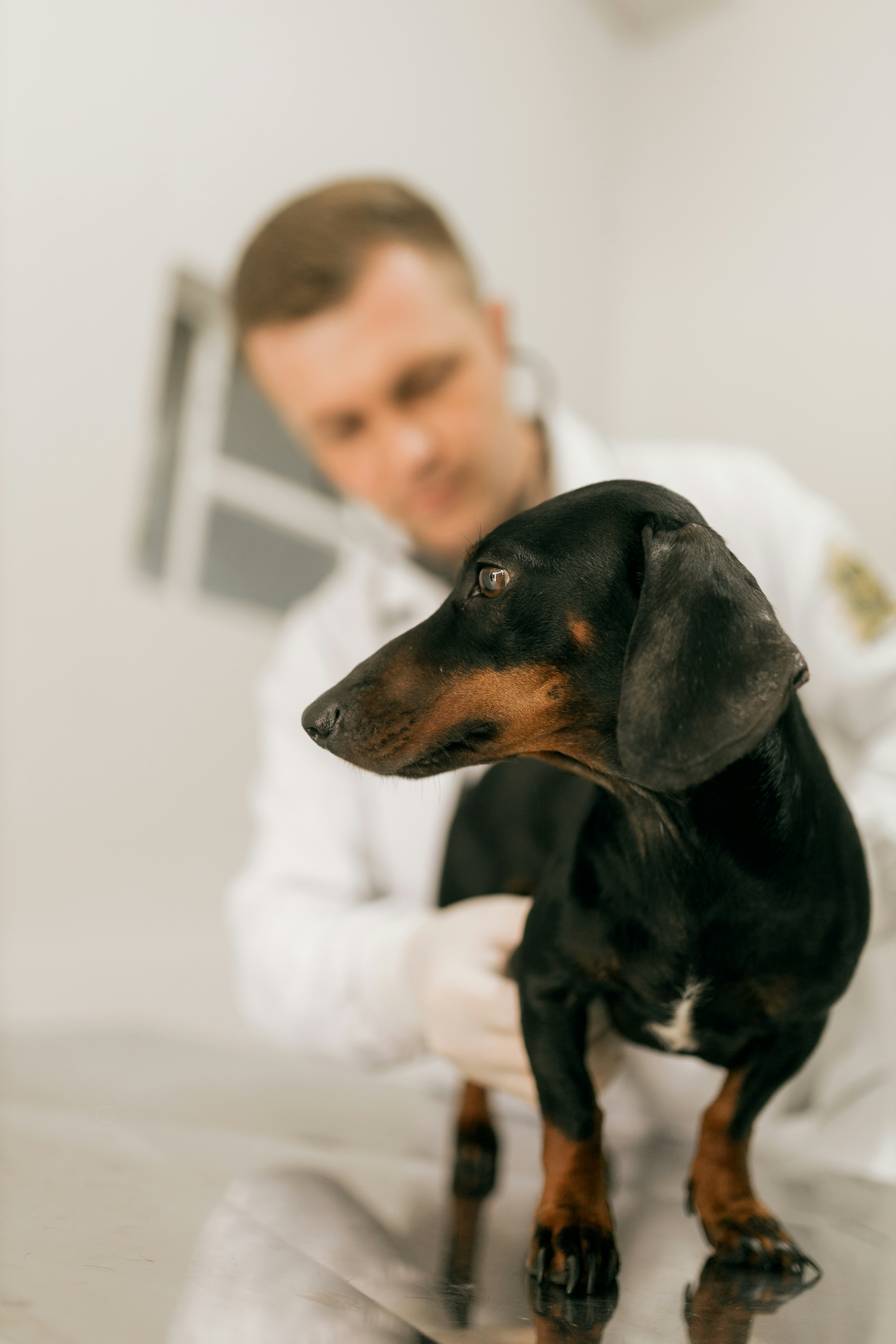
Microchipping is one of the most important things you can do for a pet and one of the least well understood. Most pet owners know they are supposed to do it. Fewer understand exactly how it works, what the databases involved are, what the registration record means legally and what to do when their circumstances change. This guide covers all of it.
What microchipping is and how it works
A microchip is a small passive electronic device, roughly the size of a grain of rice, implanted under the skin of an animal, typically between the shoulder blades. It carries a unique 15-digit identification number that is linked to a record on a microchip database.
The chip itself contains no personal information and has no battery. It is activated by a scanner, which reads the chip's number. That number is then used to look up the registration record on the relevant database, which contains the contact details of the registered keeper and basic information about the animal.
Microchipping is carried out by vets, veterinary nurses, trained animal welfare workers and some pet shops and breeders. It takes only a few seconds and causes minimal discomfort to the animal, comparable to a routine injection.
When microchipping is compulsory in the UK
Microchipping is compulsory for dogs in England, Scotland and Wales under the Microchipping of Dogs (England) Regulations 2015 and equivalent legislation in Scotland and Wales. All dogs must be microchipped by the age of eight weeks. Failure to comply can result in a fine of up to £500.
Microchipping became compulsory for cats in England in June 2024 under the Microchipping of Cats and Dogs (England) Regulations 2023. All cats in England must be microchipped by the age of 20 weeks. Scotland and Wales have separate legislation.
Microchipping is not currently compulsory for other pets including rabbits, horses and small animals, though it is strongly recommended for horses and some other larger animals.
The main microchip databases in the UK
The UK has several microchip databases and it is important to know which one your pet is registered on. The main databases are:
Petlog, operated by the Kennel Club, which is one of the largest databases in the UK and accepts registrations for all species.
Microchip Central, a widely used database that covers dogs, cats and other animals.
PetDatabase, another major database covering multiple species.
Animal Tracker, which covers dogs, cats and horses.
To find out which database your pet is registered on, use Check a Chip, a free service that searches across multiple databases simultaneously.
What microchip registration means legally
This is the question that most pet owners get wrong. Microchip registration records the keeper of an animal, not the legal owner. The distinction is important.
A keeper is the person responsible for the animal's day-to-day care. An owner is the person with legal title to the animal as property. These are often the same person but they do not have to be. A dog could be registered in one person's name while another person owns them legally.
Microchip registration is not conclusive proof of legal ownership. As the FI v DO ruling in December 2024 made clear, courts look beyond registration records to caregiving history and other evidence of ownership. Registration is one piece of evidence among several, not a definitive answer.
That said, it is a meaningful piece of evidence. Courts and mediators do treat registration as a relevant indicator of primary keepership and in a close dispute it can carry significant practical weight.
Keeping your registration current
The most common microchip problem is outdated registration. An animal whose chip links to an old address or a previous owner cannot be returned home efficiently if they are lost. The registration is only as useful as it is current.
You are legally required to keep your contact details on the microchip database current. Failure to do so in relation to a dog in England can result in a fine.
Whenever you move, change your phone number or email address, update your microchip registration. This takes a few minutes on the relevant database's website. Some databases charge a small fee for updates, typically £5 to £10.
Transferring registration when a pet changes hands
When a pet is rehomed or sold, the microchip registration must be transferred to the new keeper. This is done through the relevant database, usually by the new keeper submitting their details along with the chip number.
In a separation or divorce context, if the pet is going to live primarily with one person, updating the registration to reflect that is a sensible practical step. As discussed in our guide to microchip registration and ownership, this should ideally be done jointly and with both parties' agreement rather than unilaterally.
What to do if your pet is found
If your pet goes missing and is found by someone else or handed to a rescue organisation or vet, the chip will be scanned and the registration record used to contact you. This only works if the registration is current and accurate.
If you find an animal and want to trace the owner, take them to any vet or rescue centre where they can be scanned. The chip number can then be looked up on Check a Chip to find the registered keeper's details.
Keeping microchip records in the document vault
Store a copy of your microchip registration confirmation in your document vault. This gives you immediate access to the registration details, the chip number and the database it is registered on whenever you need them, whether for a vet visit, an insurance claim or a legal matter.
If you have a Pet Parenting Agreement that references the microchip registration, keep that alongside the registration details so the two documents can be read together.
Pawsettle helps pet owners store their microchip and other pet documents securely. It is not a legal service. For advice on your specific situation please consult a qualified solicitor or vet.